

Last-mile delivery is getting a serious upgrade. In 2026, Starship Robots are scaling faster than ever, moving from university campuses to dense residential zones and mixed-use districts. The shift is driven by improved autonomy, better fleet coordination, and tighter integration with local retailers. The result is faster drop-offs, lower costs, and fewer delivery vehicles clogging streets.
For consumers, the experience is simple: order, get a notification, and meet a bot at the curb. For operators, the economics are improving as battery life, sensor fidelity, and route optimization get smarter. Autonomous delivery bots are no longer a novelty—they’re a practical option for groceries, takeout, and small parcels in the neighborhoods where they’re permitted.
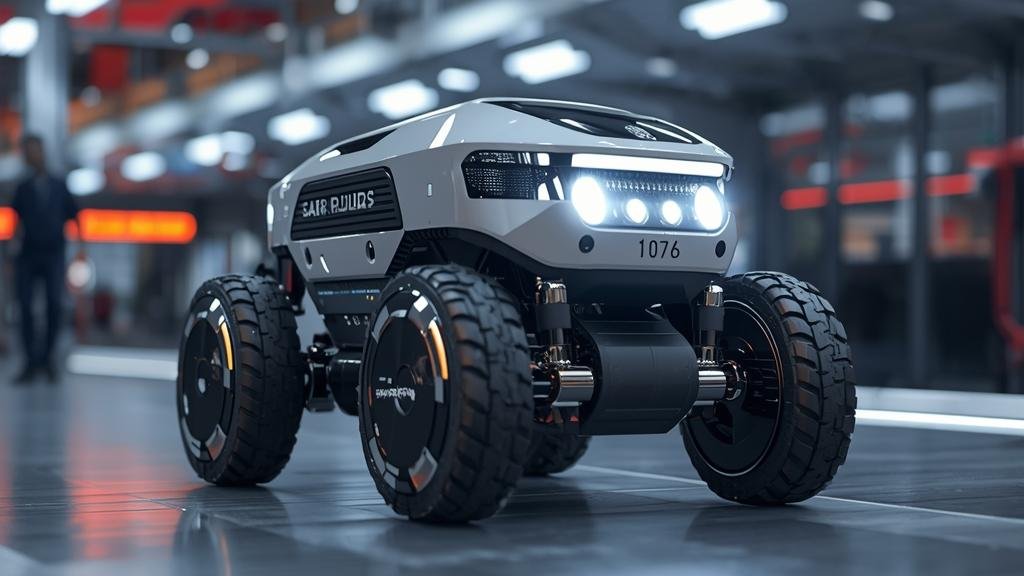
Quick takeaways
-
- Starship’s 2026 fleet is more reliable in rain, snow, and mixed traffic, with better curb-side awareness.
-
- Delivery windows are tighter thanks to improved route prediction and local micro-hubs.
-
- Expect lower fees in supported areas, but availability still varies by city and campus.
-
- Setup is faster: app pairing, geofenced drop zones, and contactless handoffs are standard.
-
- Privacy controls are stronger, but location sharing and camera data remain essential for operations.
What’s New and Why It Matters
In 2026, the big story is operational maturity. Starship’s latest deployments show fewer stalled bots, faster recovery from obstacles, and smarter handoffs at curbs and building entrances. The company has expanded pilot programs in Europe and the U.S., adding more retailers and campus partners. These expansions matter because they prove the model works at scale: consistent delivery times, predictable costs, and a service that feels dependable rather than experimental.
Why you should care: if you live in a supported area, you can get groceries or dinner in under 30 minutes without surge pricing. If you’re a small business, the bots offer a low-cost delivery option that doesn’t require your own drivers. For cities, the bots reduce short car trips, which cuts congestion and emissions. The technology isn’t perfect, but the gap between “cool demo” and “everyday utility” is closing fast.
The user experience has also leveled up. Apps now show real-time bot status, clearer pickup instructions, and better ETA accuracy. And operators have improved remote-assist tools, meaning fewer stuck bots and faster interventions when something unexpected happens on the route.
Key Details (Specs, Features, Changes)
The 2026 fleet leans on multi-sensor fusion—cameras, ultrasonics, and low-light sensors—to navigate sidewalks and crosswalks. Batteries are more efficient, enabling longer shifts and faster charging at micro-hubs. The bots can now handle light snow and wet leaves better than earlier models, and their obstacle-avoidance algorithms are tuned for real-world clutter like trash bins and scooters. The payload capacity is sufficient for grocery bags and small parcels, but oversized items still aren’t feasible.
What changed vs before: earlier versions struggled with curb detection and tight spaces, often requiring remote assistance. The new systems use improved curb mapping and tighter wheel control for smoother transitions. Route prediction is more accurate, especially during peak hours, and the bots are better at coordinating with each other to avoid congestion on narrow sidewalks. Operator dashboards now show heatmaps of common bottlenecks, enabling proactive rerouting.
In terms of delivery workflow, the handoff process is more consistent. Customers receive a precise pickup zone, and the bot’s lidar and cameras confirm a safe opening before releasing the latch. This reduces missed handoffs and speeds up the overall cycle time. For retailers, integration is simpler: order management systems can push delivery tasks directly to the fleet, cutting manual steps.
How to Use It (Step-by-Step)
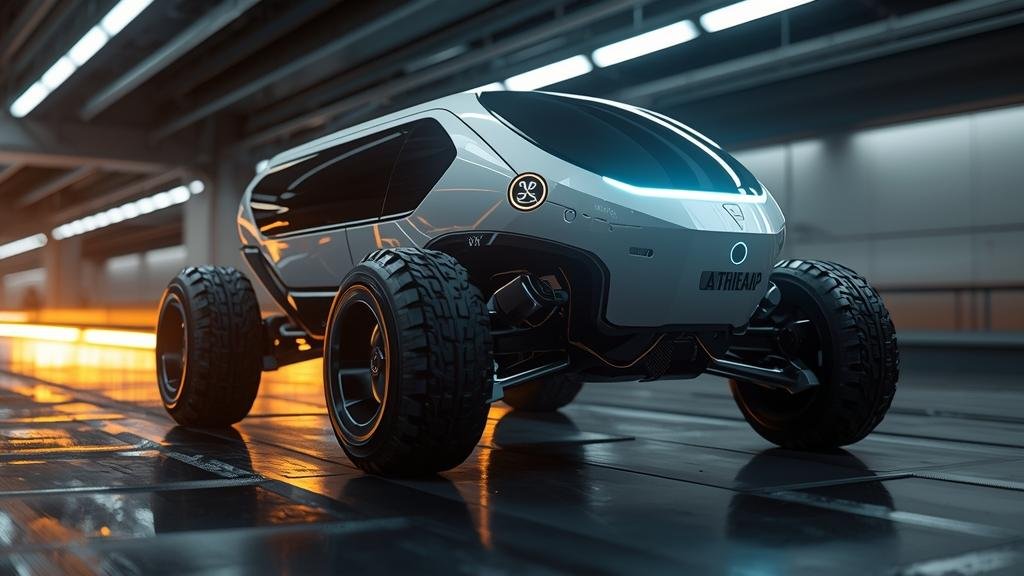
Here’s how to get the most out of Starship Robots in 2026. The process is straightforward, but a few pro tips will save you time and reduce hiccups.
-
- Check availability: Open the partner app (campus, grocery, or food delivery) and confirm your address is within a service zone. If you’re near a micro-hub, delivery times are usually faster.
-
- Place your order: Select items, choose “bot delivery,” and confirm the pickup point. Avoid adding items that exceed the bot’s payload size; oversized bags can cause cancellations.
-
- Track the bot: Watch real-time movement on the map. Bots may pause for pedestrians or crosswalk signals—this is normal and improves safety.
-
- Prepare for pickup: When the bot arrives, it will notify you via app and sometimes by text. Meet it at the curb or designated zone; don’t ask the bot to enter buildings or elevators.
-
- Unlock and grab: Use the app to open the lid. Remove your items promptly. If the bot detects an obstruction, it will wait rather than risk a collision.
-
- Rate the experience: Feedback helps operators adjust routes and improve reliability in your area.
Pro tips: schedule deliveries during off-peak hours for faster ETAs; keep your phone’s Bluetooth on for quicker handshakes; and if it’s raining, bring an umbrella—the bot will wait, but you’ll want to keep your groceries dry. For retailers, ensure your staff know the bot pickup zones and keep pathways clear of obstacles.
Real-world example: a campus coffee shop uses Autonomous delivery bots to deliver orders to dorms. The shop batches orders and schedules bots during class breaks, cutting wait times and reducing in-store crowding. Students get hot drinks within 15 minutes, and the shop avoids hiring extra drivers during peak periods.
Compatibility, Availability, and Pricing (If Known)
Compatibility depends on the partner platform. Most services require a modern smartphone (iOS or Android), location permissions, and a stable internet connection. Bots operate only in approved zones—typically campuses, planned communities, and select city districts. If your area isn’t supported, you won’t see the bot delivery option at checkout.
Availability in 2026 is expanding but uneven. New deployments often start with small pilots and scale gradually. Pricing varies by partner and region; some campuses include bot delivery in meal plans, while retail services may charge a small fee. Expect lower costs than traditional courier services in supported zones, but not universal coverage. Always confirm current pricing in your app before ordering.
Common Problems and Fixes
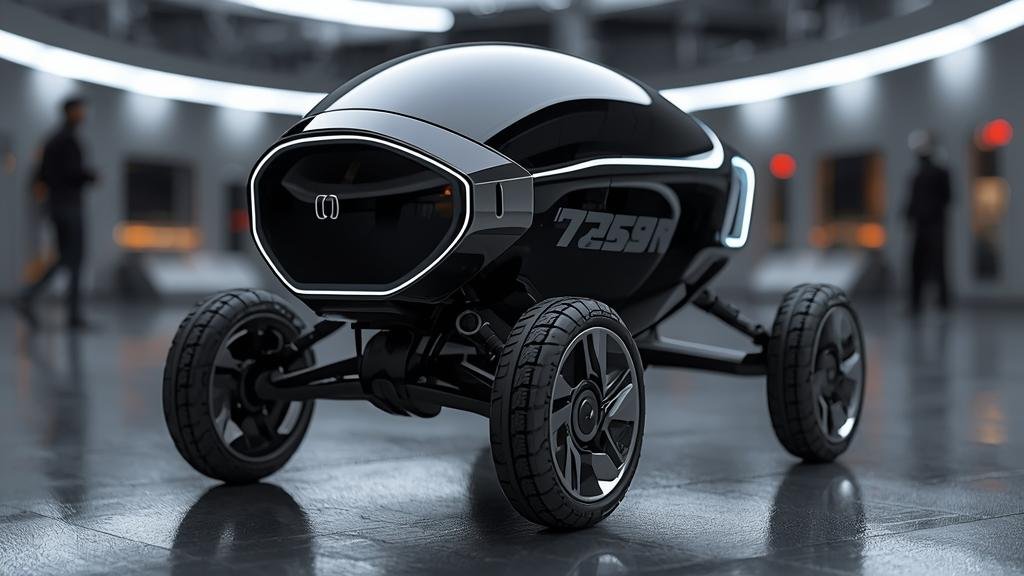
Even reliable systems have hiccups. Here are common issues you might encounter with Starship Robots and how to fix them.
- Symptom: Bot stuck on sidewalk edge or near a curb.
Cause: Poor curb detection due to worn paint or debris.
Fix: Wait for remote assistance; avoid pushing the bot yourself. Clear the area of obstacles and report the location via the app.
- Symptom: ETA keeps sliding later.
Cause: High pedestrian traffic or temporary route blockage.
Fix: Check the map for pauses. If the delay is significant, contact support to reroute or reschedule.
- Symptom: App can’t unlock the lid.
Cause: Bluetooth interference or low phone battery.
Fix: Toggle Bluetooth, restart the app, and stand within 10 feet. If it persists, request a manual unlock from support.
- Symptom: Delivery marked complete but you didn’t receive it.
Cause: Wrong pickup zone or misidentified user.
Fix: Confirm the GPS pin and pickup instructions. Contact support immediately; they can review camera logs and resend if possible.
- Symptom: Bot declines order due to weight.
Cause: Payload exceeds safe limits.
Fix: Split the order or remove heavy items. Follow the app’s weight guidelines before checkout.
Security, Privacy, and Performance Notes
Starship’s bots rely on cameras and sensors for navigation and safety. That means they capture video and telemetry data, which is used for route optimization and incident review. Operators typically anonymize and encrypt this data, but you should review the privacy policy in your specific app. If you’re privacy-sensitive, avoid placing orders that reveal personal routines (e.g., regular late-night deliveries to the same address).
From a performance standpoint, bots are efficient for short-distance, low-weight deliveries. They’re not suited for large grocery runs or bulky parcels. Battery management is critical: operators rotate bots through micro-hubs for charging, which keeps the fleet responsive. If you notice frequent delays in your area, it may be a capacity issue—report it and consider off-peak ordering.
Security best practices: keep your app updated, enable two-factor authentication if offered, and never share your unlock codes. For retailers, ensure staff don’t interfere with bots—only trained operators should handle interventions. If you’re a city planner or property manager, publish clear rules for sidewalk use to avoid conflicts between bots and pedestrians.
Final Take
In 2026, Autonomous delivery bots are no longer a novelty—they’re a practical part of the last-mile mix. If your neighborhood supports them, you can expect reliable, affordable deliveries for small orders. The key is to set expectations: bots are best for quick runs and single-bag orders, not bulk hauls.
If you’re a retailer or campus admin, this is the year to pilot or expand. The tech is more resilient, and the economics are clearer. Start small, pick a focused route, and measure results. For consumers, try a bot delivery for your next meal or grocery top-up and see how the timing feels. If you’re curious about the broader impact, Starship Robots are a strong example of how autonomy can simplify daily logistics without overcomplicating the experience.
FAQs
Q: Do Starship robots work in bad weather?
A: Yes, but with limits. They handle light rain and snow, but heavy storms may pause service. Check your app for local weather advisories.
Q: Can I send a bot to an apartment building?
A: Bots typically stop at the curb or designated pickup zone. They don’t enter buildings or elevators for safety and access reasons.
Q: What if my order is late?
A: Check the live map for pauses. If the delay is significant, contact support. They can reroute the bot or arrange a replacement delivery.
Q: Are bots safe around kids and pets?
A: Bots are designed to stop for obstacles and people. Still, keep children and pets at a distance during pickup. Never attempt to ride or push the bot.
Q: How do I report a problem?
A: Use the in-app support or call the number listed in your order details. Include the bot ID and pickup location for faster resolution.